Bricks Before Bureaucracy: Why Our Towns Cannot Afford Another Year of Waiting
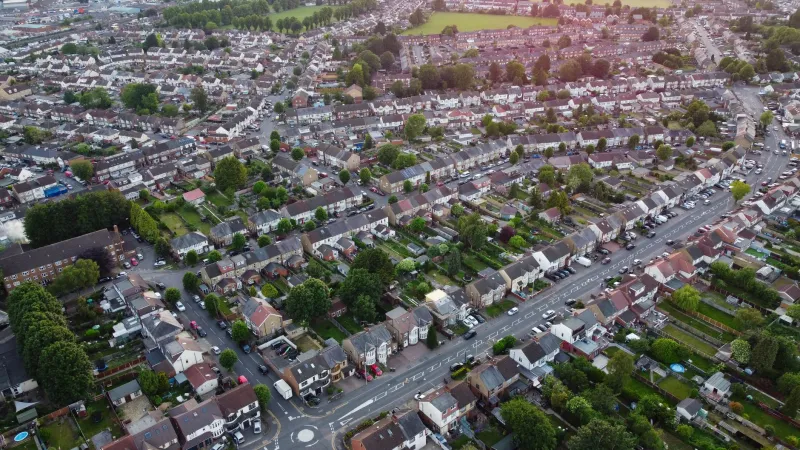
For too many families in towns like ours, the housing crisis is not measured in mortgage rates or stamp duty. It is measured in the number of nights spent in a temporary flat, the number of school runs disrupted by a move across the borough, and the number of letters that begin with the phrase we regret to inform you. That is the hidden cost of the waiting list, and it is a cost our public services already pay.
The debate about housing often drifts into abstractions: supply, density, viability, land value. Those things matter. But in Morley, Outwood and the towns between Leeds and Wakefield, the reality is concrete. A family on the list is not simply waiting for a key. They are waiting for stability, for a child to stay at the same school, for a grandparent to remain near the family that helps with care, for a workplace to be reachable without a car. When that wait stretches into years, the damage is not temporary at all.
The bill nobody budgets for
Councils across the country are spending enormous sums on temporary accommodation. Bed and breakfast placements, private rented stopgaps and out-of-borough moves keep families off the street, but they do not provide a home. They are expensive, insecure and often poor value for the public purse. Every placement is a cost deferred, not avoided.
The knock-on costs are just as serious. Children who move repeatedly fall behind at school. Parents under housing stress struggle to hold down work. Health services see the consequences in anxiety, respiratory illness and delayed treatment. Local services that are already stretched end up managing the symptoms of a housing system that has failed to build enough social homes. A waiting list is not a neutral queue. It is an active drain on the public realm.
A waiting list is not a plan
For years, the answer from Whitehall has been to tweak the system rather than change it. We have had affordable housing targets that were not met, affordable rent products that were not truly affordable, and a reliance on the private market to deliver public need. None of it has delivered the security that working people need.
The case for council house building is not nostalgia. It is practical. Councils can borrow to build, plan for the long term and keep homes in public use. They can insist on decent space standards, energy efficiency and infrastructure. They can ensure that the homes are not sold off at a discount before the next generation has a chance to benefit. The postwar generation understood this. The last Labour government understood it too, though we should be honest that it did not build enough. The lesson is not to retreat from council housing. It is to build more, faster and better.
Brownfield first, infrastructure together
Towns know their sites. Whitehall does not. That is why a council house settlement should start with brownfield land: old industrial sites, underused car parks, former depot land and the gap sites that blight neighbourhoods. Building there protects the green belt, brings activity back to town centres and uses infrastructure that already exists.
But homes alone are not a community. A new estate without a bus, a school place, a GP surgery or a safe walking route is a planning failure waiting to happen. That is why funding must be devolved so councils and combined authorities can plan homes and infrastructure together. A single settlement for housing, transport and local services would let towns join the dots. It would also give local people a clearer say over what is built and where.
Skills on the scaffold
A council house programme should not be a contract handed to distant firms with no stake in the town. Every scheme should carry a local skills plan. Apprenticeships, retraining for adults and procurement rules that favour local supply chains can turn a building programme into a jobs programme. Young people in our towns should be able to see a route from the classroom to the scaffold, and from the scaffold to a skilled trade.
This is where Labour's local voice matters. We should not apologise for insisting that public money builds public value. If a council is investing in homes, the community should benefit from the skills, the wages and the supply chain that come with them. That is not protectionism. It is good housekeeping.
Devolve the decisions
West Yorkshire and towns like ours do not need another pilot scheme or another competitive bidding round that rewards the councils with the most consultants. They need multi-year funding and the power to get on with it. Local authorities should be able to plan for the long term, acquire land sensibly, and work with housing associations and builders to deliver at scale.
Devolved funding also means democratic accountability. If a town is going to grow, local people should be able to see the plan, question the detail and hold decision-makers to account. That is how you build consent for new homes. Not by handing down targets from London, but by letting communities shape the places they live in.
A practical test for 2026
The test for any politician this year is simple. Will you back a council house building programme that puts brownfield first, funds infrastructure alongside homes and gives local people a real say? Will you support councils to borrow and build, rather than forcing them to spend more on temporary accommodation? Will you make sure that local apprentices get a shot at the jobs that follow?
Ed Balls for Labour is arguing for a settlement that matches the scale of the problem. Not a waiting list that manages decline, but a building programme that offers security. Not a leaflet about aspiration, but bricks, skills and infrastructure. Our towns cannot afford another year of waiting.