Warm Homes, Fair Bills: A Winter Deal That Reaches Every Street
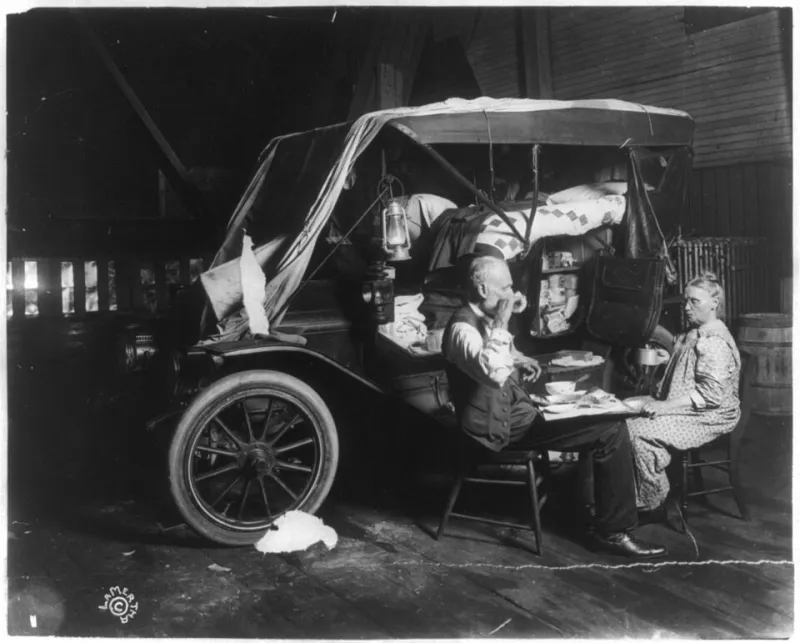
Photo: Miscellaneous Items in High Demand, PPOC, Library of Congress, Public domain, via Wikimedia Commons
Winter is a bill, not just a season
When the temperature falls, the debate about energy stops being abstract. It becomes a question of whether to heat the front room or the bedroom; whether to put the heating on before a grandchild visits; whether to pay the gas bill or the bus fare. In our constituency, as across the country, the cold arrives with a price tag attached. As we enter winter 2026, too many pensioners and families are still making those calculations in the dark.
Labour's Warm Home Guarantee is designed for that reality. It is not a single headline or a one-off payment. It is a practical plan to cut bills at source, protect people from price spikes and make sure that no one has to choose between warmth and food. The test is simple: will it reach the terraced streets, the sheltered housing and the family homes in our towns? It must.
Insulation first, not press releases
The cheapest energy is the energy we do not use. For years, Britain has spent billions on emergency support while leaving millions of homes poorly insulated. That is a false economy. Labour would put home insulation at the centre of the Warm Home Guarantee: a street-by-street programme to upgrade draughty homes, install modern heating and cut bills permanently.
For pensioners living in older properties, this matters. A well-insulated home is warmer in winter and cheaper to run all year. For families, it means fewer worries when the thermostat goes on. For our local economy, it means skilled jobs for installers, planners and tradespeople — work that cannot be outsourced abroad. The guarantee should be delivered through local councils and trusted community organisations, with clear standards and proper funding, so that the programme is not another postcode lottery.
A price cap that actually protects
Regulation is not a dirty word. It is what a fair market needs. Energy bills have been too volatile for too long, and the standing charges that appear on bills before a single unit is used hit low-income households hardest. Labour would strengthen the regulator, make bills more transparent and ensure that loyal customers are not punished for staying with the same supplier.
The Warm Home Guarantee should also include a genuine winter price shield for the most vulnerable. That means targeted support for pensioners on fixed incomes, for households with young children and for people with disabilities or health conditions that make cold homes dangerous. Support should be automatic where possible, not a bureaucratic obstacle course. If someone is entitled to help, they should not have to prove it three times over.
Warm hubs with real funding
Cold homes are not only a financial problem. They are a health problem and a social problem. That is why Labour's plan includes funding for local warm hubs — libraries, community centres, church halls and sports clubs that can offer a heated space, a hot drink and company during the coldest months.
But warm hubs must be more than a goodwill gesture. They need real funding, stable opening hours and support for transport. In our constituency, a warm hub is only useful if an older resident can get to it. That means linking the scheme to local buses and community transport, and making sure that hubs are accessible for people with mobility needs. The guarantee should be built with local councils, not imposed on them.
What this means on our streets
The Warm Home Guarantee is a national policy, but it will be judged locally. In our towns, it should mean fewer pensioners sitting in coats indoors. It should mean parents who do not have to choose between heating and school shoes. It should mean local workers installing insulation, not just call-centre staff dealing with complaints.
Our campaign will be pressing for a constituency-level warm homes plan: a clear audit of the coldest homes, a timetable for upgrades, and a named contact for residents who need help. Labour councils should be empowered to act, and the next Labour government should give them the powers and the funding to do it.
A plan you can hold us to
The coming winter will be difficult, and no honest politician should pretend otherwise. But difficulty is not a reason for drift. It is a reason for a plan. The Warm Home Guarantee offers a different approach: insulate homes, regulate bills, fund warm hubs and protect the people who need it most.
This is what progressive politics should look like in practice. Not rhetoric about compassion, but a warm home, a fair bill and a local service that works. In our constituency, we will be making that case on every doorstep. The cold will not wait, and neither should we.