Missed Connections: Why Reliable Buses Are a Fairness Test for Our Towns
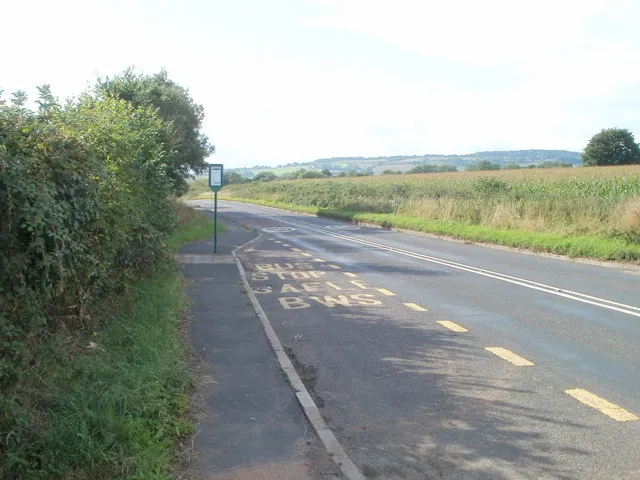
Photo: Jaggery , CC BY-SA 2.0, via Wikimedia Commons
The bus that does not come
On a wet Tuesday morning in our constituency, the 6:15 is printed on the timetable. It is not a promise. For a care worker who needs to reach an early client, a missed bus means a missed visit. For a pensioner going to a hospital appointment, it means a taxi they cannot afford or a day spent waiting. For a student, it means a lecture missed. The bus is not a luxury. It is the infrastructure of ordinary life.
A timetable you cannot trust
Reliable transport begins with reliability. Too many routes in our towns have been cut, reduced or quietly withdrawn. The remaining timetable is often so fragile that one cancellation creates a chain of problems. A worker arrives late and loses pay. A carer cannot reach a vulnerable person. An older resident stops going out altogether.
One carer in our constituency describes planning her day around a single bus that runs every hour. If it is cancelled, she cannot simply wait for the next one; her clients cannot wait either. An older resident tells of giving up a weekly social club because the return journey became too uncertain. These are not isolated stories. They are the everyday cost of a broken bus network.
Who pays for the cuts
The damage is not shared equally. People on low incomes, women, disabled people, older residents and young people without cars depend most on buses. When routes disappear, they lose access to work, education, healthcare and family. The local economy loses too: high streets lose custom, employers struggle to recruit, and public services become harder to deliver.
For years, bus services have been treated as a commercial afterthought. Private operators choose the routes that make money and leave the rest to wither. That model has failed. A fair local economy needs a transport network that serves people, not just profit.
Franchising as a tool, not a slogan
Labour's answer is bus franchising. It would give local leaders the power to set routes, fares and standards in the public interest. Franchising is not nationalisation, and it is not a magic wand. It is a tool: a way to make operators accountable to the communities they serve.
Under a franchised system, local transport authorities could protect socially necessary routes, integrate tickets and timetables, and set clear performance standards. If an operator fails to deliver, the contract can be reviewed. That is a basic expectation in any other public service. It should be normal for buses too.
Rural, evening and weekend services
A bus network is only real if it works when people need it. That means rural services that connect villages to towns, evening buses for shift workers, and weekend services for families and carers. Labour's plan should include protected funding for these routes, not as an afterthought but as part of the core network.
In our constituency, the gaps are often at the edges: the village with no evening service, the estate with no direct link to the health centre, the young person who cannot get to a college course. A franchising system should be judged on whether it closes those gaps, not just on whether the busiest routes remain profitable.
Accountability with teeth
Passengers need more than a complaint line. They need a say. Labour should require local transport authorities to publish clear data on punctuality, cancellations and passenger numbers, and to hold regular public meetings. Communities should be involved in designing routes, not told about cuts after they happen.
There is also a role for the next Labour government. It should provide stable funding, support local authorities to build capacity, and ensure that franchising is not blocked by legal hurdles. Accountability cannot be funded by press release. It needs resources, transparency and political will.
A fair local economy needs a reliable bus
The case for buses is not sentimental. It is economic. A reliable bus gets people to work, keeps high streets alive, reduces isolation and cuts the cost of public services. It is one of the clearest tests of whether a local economy is fair.
For too long, our towns have been told to accept a thinner timetable and a longer walk. Labour's plan offers a different choice: franchising, rural services and real accountability. The 6:15 should be a promise, not a rumour. In our constituency, we will keep making that case until it is.