Not Nostalgia, a Blueprint: Rebuilding the High Street Around Its Workers
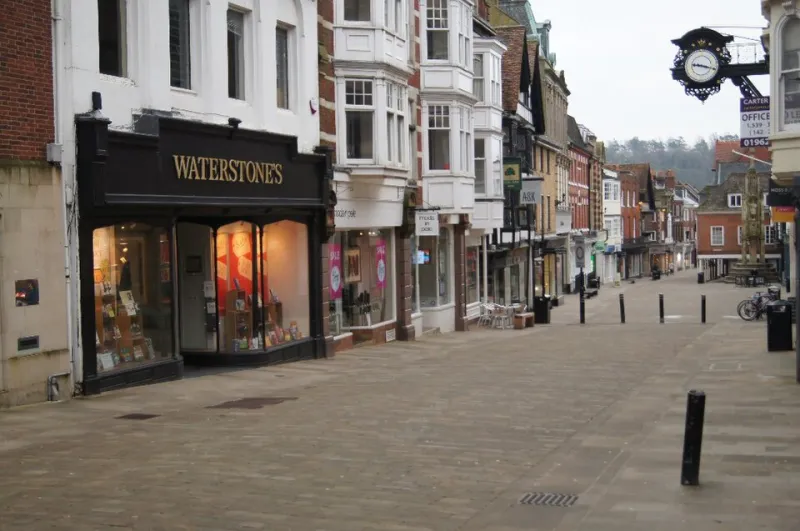
Photo: Fernweh , CC BY-SA 2.0, via Wikimedia Commons
Walk down the main street of almost any town in our patch and you will see the same three things: a shuttered unit with a fading To Let board, a charity shop doing brisk trade where a bank used to be, and a handful of people working hard in the shops that are still open, on contracts that do not always give them next month's hours in writing.
We should be careful about how we talk about this. The temptation is to reach for nostalgia — the butcher, the baker, the Saturday crowds — and to imply that something moral was lost when the chains moved in and then moved out again. That is not a plan. High streets did not decline because people stopped caring. They declined because rates, rents and footfall shifted against them, and because the jobs that replaced full-time shop work were too often insecure, low-paid and short of a future.
So let us be clear about what we are defending. Not a photograph of the past. The right of people in our towns to work near where they live, in jobs with hours they can rely on, on streets worth walking down.
Empty windows are a warning, not the weather
A boarded-up unit is not a natural phenomenon. Behind each one is a decision: a rent that could not be sustained, a business rate bill that landed before the first customer of the year, a lease renewal that made no sense. When several go in a season, the effect compounds. Footfall drops, the remaining traders lose custom, insurance and security costs rise, and the street acquires a reputation it does not deserve.
That is why piecemeal grants to individual shops, welcome as they are, will not turn a town centre around on their own. The street is the unit that has to work.
The rates bill that arrives before the first customer
Business rates remain one of the least fair taxes we have. A distribution warehouse on the edge of town can sit on a vast footprint and pay a fraction of what a town centre shop pays per square metre of value it creates. Online-only operators, meanwhile, benefit from the streets, the infrastructure and the customers that physical retailers help to sustain, without contributing on comparable terms.
Levelling that out is not an attack on business. It is the minimum condition for fair competition, and it is money that a shopkeeper on Pontepract Road or Carlton Street could put into a second member of staff instead of sending to the Treasury.
Footfall belongs to everyone
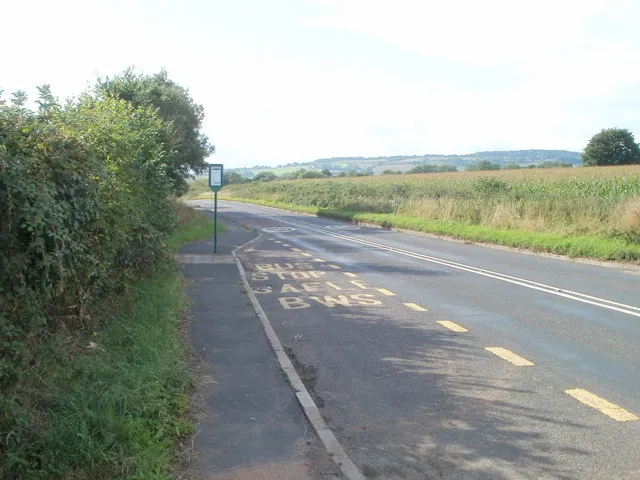
We talk about footfall as though it were a private asset. It is not. It is created by everything around the shops: the bus that actually turns up, the car park that does not charge more than the purchase, the lit and swept pavement, the market that draws people in on a Saturday, the library and the health centre that give a reason to come into town at all.
That has consequences for how we spend public money. A bus service cut to save a subsidy can cost a town centre far more in lost trade than it saves. A car park run purely as a revenue stream can empty a high street in a season. Transport and town centres are one policy, not two, and any serious local plan should treat them that way.
Ownership that stays local
There is real energy in community ownership, and we should back it — properly. Where a pub, a shop or a market hall matters to a place, residents should have a genuine right to bid, time to raise the money, and access to straightforward advice rather than a legal maze designed for property professionals.
But let us not romanticise it either. Community ownership works where there is a sound business behind it, honest support, and a plan for the second and fifth year — not just the launch photograph. The point is not to keep a building open for its own sake. It is to keep the value, the decisions and the jobs anchored in the place that created them.
Skills behind the counter
Retail and hospitality are too often spoken about as though they were stopgap work. For hundreds of thousands of people they are a career, and a good one. Yet training budgets rarely reach the shop floor, and progression depends on a manager noticing you rather than on a structured route.
A serious offer would fund management and technical training for existing staff, tie local skills funding to the sectors that actually employ people in our towns, and use the apprenticeship levy more flexibly so that a small independent retailer can take on a school leaver without drowning in administration. Skills policy built only around the industries we hope to attract, and not the ones already employing our neighbours, is a policy written for someone else's town.
A fair set of rules
Investment without fair rules simply subsidises the wrong outcomes. We should be candid about that. Public money going into a regeneration scheme should come with conditions: decent, secure hours, payment of the real Living Wage, and a fair share of local procurement so that the contractor does not arrive with an entire workforce from three counties away. The same applies to enforcement, because a rogue employer undercutting the decent one down the road is not competition — it is theft from the businesses that play by the rules.
What we do in 2026
None of this happens by itself, and none of it is achieved by wishing. The practical asks are unglamorous and they are achievable: rebalance business rates away from town centre premises, protect the bus routes that keep footfall moving, give communities a real right to bid with the support to use it, and attach decent work conditions to every pound of public regeneration money.
Our high streets do not need nostalgia. They need investment, fair rules and someone prepared to fight for them. That is a campaign worth running in every town in this constituency — and it starts with the people who work there, not with the buildings they work in.