When the Door Is Locked: The Case for a Civic Dignity Standard in Our Town Centres
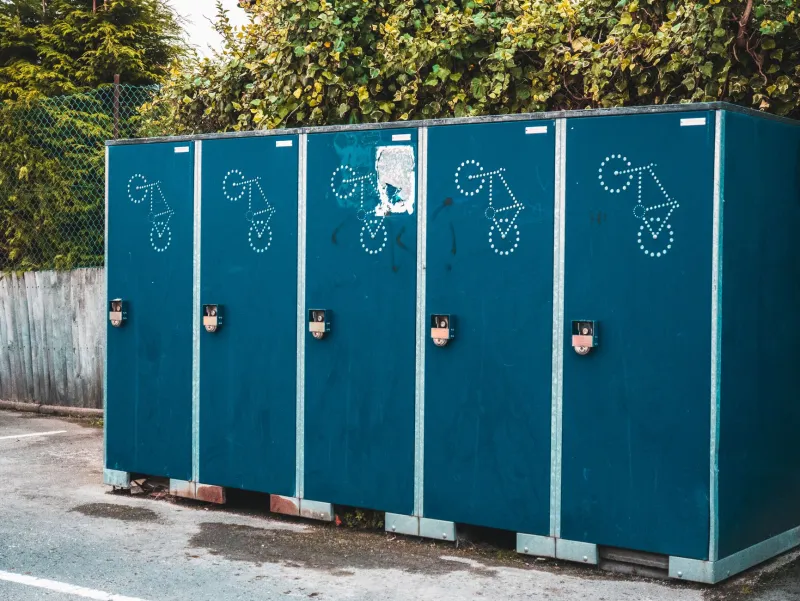
A town centre is judged not only by its shopfronts, its market stalls or its bus stops. It is judged by whether an older resident can spend an hour there without worry; whether a disabled shopper can plan a journey with confidence; whether a parent with a toddler, or a carer supporting someone with a health condition, can rely on a basic facility being open, clean and accessible. Public toilets are part of the everyday contract between a place and the people who use it. When that contract is quietly withdrawn, the consequences are felt most acutely by those who can least afford to absorb them.
A Closure You Notice Only When You Need It
Over recent years, public conveniences have disappeared from many town centres without much fanfare. Some have been closed outright. Others have been converted, leased out, locked outside limited hours or left to decline. Each decision may look small in a budget paper. Taken together, they amount to a significant change in the civility of our public spaces.
This is not nostalgia for a golden age of municipal provision. It is a practical argument about fairness and function. A high street that welcomes visitors must be usable by everyone, not only by those who can buy a coffee in a café in order to use its toilet. The shift of this basic need onto private businesses is neither reliable nor fair. It asks people to spend money simply to meet a bodily need, and it leaves those who cannot do so with fewer places to go and less reason to come into town at all.
The People Behind the Map
The debate about public toilets is often conducted in the language of facilities and maintenance. It should be conducted in the language of people. For disabled people, an accessible toilet is not a convenience; it is a condition of taking part in public life. For older residents, it can determine whether a trip to the shops is manageable or simply too risky. For families with young children, it can turn a short outing into a logistical ordeal. For carers, it can shape the whole rhythm of a day.
Accessibility also demands more than a ramp and a wider doorway. The provision of Changing Places toilets, with adequate space, a hoist and a changing bench, is a mark of whether a town centre genuinely means to include people with complex needs. Where such facilities are absent, the message — however unintended — is that some people are expected to stay at home. That is not a message any progressive local authority should accept.
What a 2026 Dignity Guarantee Would Mean
A Dignity Guarantee should be practical, costed and locally deliverable. It should not become another vague aspiration. The Ed Balls for Labour campaign believes it should rest on three clear commitments.
First, an access standard for every town centre. Residents should be able to reach a clean, accessible public toilet within a short walk of the main retail and civic cluster — a ten-minute walk is a reasonable benchmark — with opening hours that match the life of the high street. Free access should be the default, and any charging must not become a barrier for those on low incomes.
Second, honest public mapping. Councils should publish a single, up-to-date map of public conveniences, including accessibility details, Changing Places provision and opening hours. That information should be available both online and in printed form in libraries, community centres and council offices. A facility that cannot be found is only half a facility.
Third, ring-fenced local funding. If public conveniences are treated as an optional extra, they will continue to be cut when budgets are tight. A dedicated stream within the local government settlement — protected for capital refurbishment and revenue maintenance — would give councils the certainty to plan. Developer contributions should also be used to secure public facilities in new town-centre developments, rather than allowing them to become private amenities.
Paying for It Honestly
None of this can be delivered with fine words alone. Local government has faced severe financial pressure, and it would be dishonest to pretend otherwise. But the costs of closure do not vanish. They are pushed onto the NHS, onto social care, onto high-street businesses and onto the daily lives of residents who limit their journeys because they cannot be sure of finding a toilet when they need one.
A Dignity Guarantee is therefore not simply a spending commitment. It is a way of recognising that prevention and dignity are part of the same argument. A modest, well-maintained public facility can help keep people active, socially connected and independent. That is a better use of public money than treating the consequences of exclusion later on.
A Test of Local Leadership
Public toilets may not dominate national debate, but they tell you a great deal about a place. They reveal whether a council thinks about the needs of disabled people, older residents, families and carers. They show whether the high street is genuinely open to all, or only to those with the means to improvise.
The Ed Balls for Labour campaign will keep pressing for a 2026 Dignity Guarantee: accessible provision within a short walk, clear public mapping and ring-fenced funding. It is a small demand in one sense. In another, it is the mark of a town that respects the people who use it.